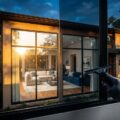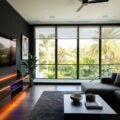

How to reduce glare on your TV from windows and keep natural light
You don’t have to close every curtain to reduce glare on your TV from windows. First, position the screen so windows sit to its side, around 90 degrees from the screen, and adjust the angle to move reflections out of view. If sunlight still washes out the picture, solar-control window film or light-filtering shades can soften glare while preserving natural light.
Daytime reflections can make a favorite show hard to see, but blocking all the daylight may feel like trading one frustration for another. To reduce glare on your TV from windows, first consider where sunlight enters, when you watch, and whether preserving the outdoor view matters most.
This guide compares window film with curtains, shades, and anti-glare screens, and explains how to identify reflections and make practical changes to your TV’s placement and settings. Start with adjustments that preserve the room’s brightness, then consider stronger light control if glare remains.
Key Takeaways
- Identify which windows create reflections at the time you usually watch, then choose a fix that suits your room and viewing habits.
- Compare window film, shades, curtains, and screen protectors by how they balance glare control, daylight, and your view outside.
- Use light-filtering shades or solar shades when you want to soften direct sun without darkening the room completely.
- Experiment with TV placement and screen angle to redirect reflections before changing your setup more substantially.
- Learn when professionally installed home window tinting can help manage incoming sunlight while keeping natural light in your space.
Window films compared with blinds, curtains, and anti-glare screens
- First, determine whether glare comes from direct sunlight or general daylight. Glossy TV screens can reflect windows and lamps clearly, so reflections may remain even on cloudy days. Window film changes the light entering through the glass, while curtains and blinds cover the window when needed. Each approach manages light in the room rather than adding a layer to the TV screen.
- Choose window film if you want to manage incoming sunlight without keeping curtains closed throughout the day. Reflective or tinted films can reduce sunlight while allowing natural light into the room. Frosted film works differently: it diffuses light and blocks the view, making it suitable when privacy matters more than the outlook. Consider which window causes the reflection and whether preserving its view is important.
- Choose shades or curtains when you want adjustable light control throughout the day. Screen-fabric roller blinds can soften solar glare while admitting daylight; blackout curtains block more light but also remove the view while closed. Try a light-filtering shade during the hours when direct sunlight reaches the TV. This offers a flexible alternative to keeping heavy curtains drawn all day.
- Consider an anti-glare screen protector only after trying room and TV adjustments. A matte layer diffuses reflections, but it can soften the image and reduce sharpness or color clarity. Protectors work best on TVs under 55 inches when repositioning is impossible and glare is constant. For screens larger than 65 inches, protectors can be difficult to find and harder to install without bubbles or alignment issues.
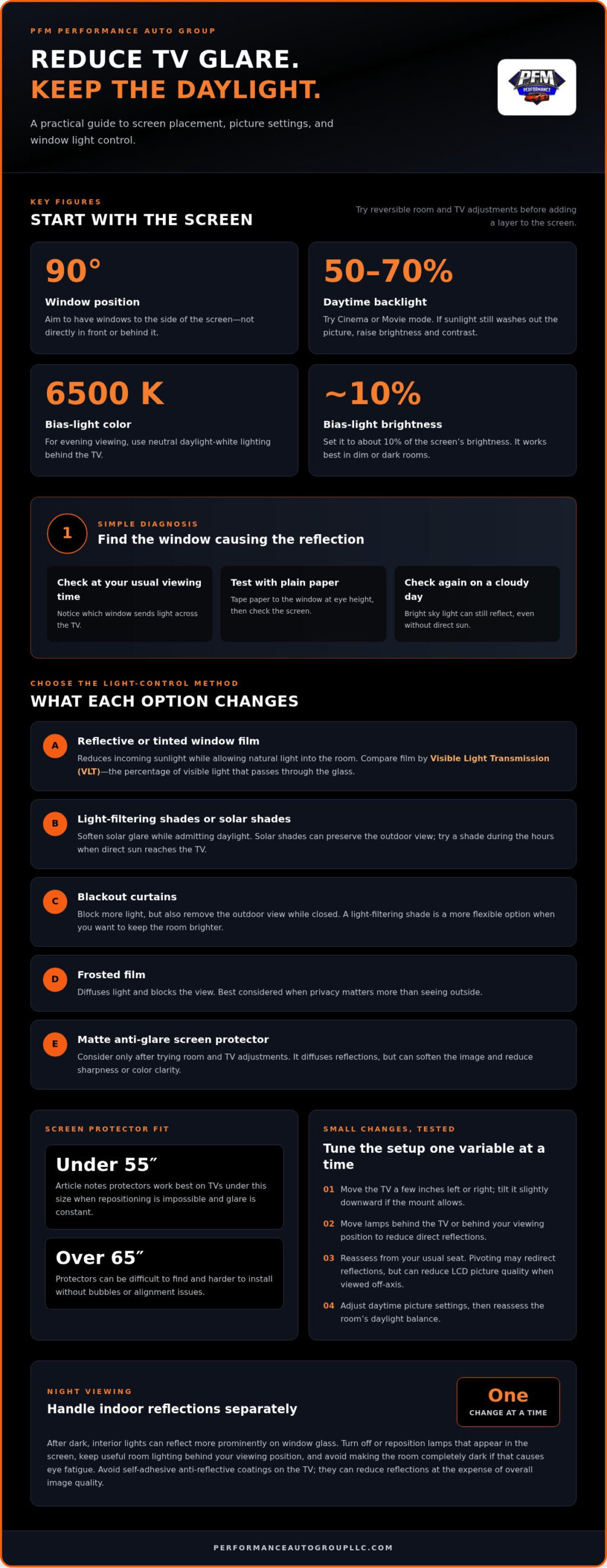
- Adjust the TV before buying a screen layer. Move it a few inches left or right, or place it so windows sit about 90 degrees from the screen rather than directly in front or behind it. If the mount allows, tilt the screen slightly downward. Test the change from your usual seat, since pivoting can redirect reflections but may reduce picture quality when an LCD is viewed off-axis.
- Move lamps behind the TV or behind your viewing position to reduce direct reflections on the screen. A lamp behind the TV can provide ambient light without shining onto the screen, while a lamp in front may create a visible reflection. Avoid self-adhesive anti-reflective coatings on the TV, which can reduce reflections at the expense of overall image quality. Change one thing at a time, then keep the setup that makes daytime viewing easier.
Glare reduction while retaining natural light
For daylight viewing, try Cinema or Movie mode and set the backlight around 50-70%. If sunlight still overwhelms the picture, raise brightness and contrast to improve visibility.
- Test the source before changing the room. Tape plain paper to a window at eye height, then check the TV screen during the hours when glare is most noticeable. If the paper marks the window contributing most to the reflection, focus on that pane rather than darkening every window. Repeat the check on a cloudy day, since bright sky light can still reflect on the screen.
- Compare window films by Visible Light Transmission, or VLT. VLT measures the percentage of visible light that passes through glass, helping you compare how much daylight different films allow into a room. Reflective or tinted film can reduce incoming sunlight while retaining natural light. Balance the glare you want to soften against the brightness and view you want to preserve.
- Choose the film’s light transmission to suit how you use the room. A darker, more light-blocking option may suit a window with strong direct sunlight, while a film that allows more light through is better for a room where daylight matters throughout the day. Frosted film diffuses light but blocks the view, so reserve it for windows where privacy matters more than seeing outside.
- Manage nighttime reflections separately from daytime sunlight. After dark, interior lights can reflect more prominently on window glass because the outdoors is darker. Turn off or reposition a lamp that appears in the screen while you watch. Keep useful room lighting behind your viewing position rather than above the TV, and avoid making the room completely dark if that causes eye fatigue.
- Add neutral bias lighting behind the TV when evening viewing feels harsh. Use daylight-white lighting at 6500 K and set its brightness to about 10% of the screen’s brightness. Keep the color as neutral as possible, since colored light can alter how the picture appears. Bias lighting works best in dim or dark rooms, not against strong daytime sunlight.
- Change one variable at a time, then reassess the picture from your usual seat. First set the daytime picture mode and backlight; next adjust brightness or contrast if sunlight still washes out detail. Then compare the window film’s daylight balance at different times. If film is the room-level solution you’re considering, you can book a window-film discussion as a next step.
Blocking window light with shades or curtains
- Track when sunlight reaches the living room before choosing a window covering. Watch TV at your usual times and note which window sends light across the screen. If direct sun enters only during part of the day, light-filtering shades can soften it during peak-sun hours without keeping the room dark all day. This preserves a brighter setting for the rest of your routine.
- Choose solar shades if you want to reduce glare while preserving the outdoor view. Their screen-like fabric filters incoming sunlight, so you can still see through the window while watching TV. In a living room where the view matters, compare how much light each fabric admits before choosing. A shade that filters too little may leave reflections; one that blocks more light may dim the room.
- Use dimout fabric if you want to reduce solar glare but still prefer some daylight indoors. Dimout blinds block more light than light-filtering shades while allowing some light through. Blackout fabric blocks light through the material, but light can still enter around the edges. Choose based on the window’s position and how dark you want the room during viewing.
- Layer heavy curtains over blinds to address light leaking around the edges. First lower the blind, then draw the curtains across the full window opening. This combination can help in a living room with strong light sources around the window frame. It also gives you two levels of control: adjust the blind for softer daylight, then close the curtains if reflections remain distracting.
- Consider cassette blackout blinds when light leaking around the edges is the main problem. As the blind moves, its fabric runs into side channels, helping reduce light bleed along the sides. Blackout shades offer strong glare control, but they also block the view while closed. Use them during viewing rather than leaving them down if you want daylight in the room.
- Choose remote-controlled sun shades if adjusting several windows by hand disrupts your viewing routine. These shades can connect to a home automation system, making it easier to operate them together. For example, lower the shade on the sun-facing window while leaving others uncovered. Match each covering to its window’s role: one living room may benefit from both a view-preserving solar shade and a darker blackout option.
Positioning and angling a TV to avoid direct reflections
Keep the TV in place and angle its screen slightly to redirect window reflections. The National Institute for Occupational Safety and Health (NIOSH) notes that angling a TV can help avoid glare without relocating it.
- Observe the room during your usual viewing time. Note which window, lamp, or patch of direct sunlight appears on the screen. Repeat the check at another time of day, since the sun’s position changes where reflections land. A cloudy sky can also create screen glare, so check the picture under different daylight conditions before choosing an adjustment.
- Adjust the mount in small increments, then assess the picture from your usual seat. A slight downward tilt may move a reflection out of your line of sight. Pivoting the screen can also help, but an LCD viewed off-axis may lose picture quality. Aim for a clearer view without making the image look uneven or dim.
- Check the relationship between the TV and the windows. A screen is less likely to reflect major light sources when windows sit about 90 degrees from it, rather than directly in front or behind. If the room layout allows, shift the viewing angle instead of moving furniture. Even a small change in the screen’s direction can move a bright reflection away from the center.
- Choose window film according to the light problem you want to address. Reflective or tinted solar-control films can reduce sunlight entering a room while maintaining natural light. UV-blocking film is another option for limiting UV transmission through glazing. Natural Resources Canada notes that solar-control window films can reduce solar gain and help protect interiors.
- Assess the glass before applying tinted or reflective film. Glass type, existing coatings, and exposure affect film selection, and window manufacturers may limit warranties for aftermarket film. For a do-it-yourself application, spray the glass with water mixed with a few drops of soap, then cut the film slightly larger than the pane. Let the film cure before cleaning it with soft materials and non-abrasive cleaners.
- Test the finished setup before adding blackout curtains or another screen layer. Check for reflections from your usual seat during the hours you watch, then make one adjustment at a time. Small bubbles may appear in newly installed film, so allow it time to settle before judging the result. Film can soften incoming sunlight, but screen position and room lighting still affect whether reflections remain visible.
How window films reduce glare
- Start with the window, not the TV. Sunlight passing through glass can create a bright patch or reflection on the screen, washing out picture detail. Window film manages some incoming light before it reaches the room, reducing a source of glare while leaving the TV untouched. It can help reduce glare on your TV from windows without relying on closed curtains.
- Compare film by Visible Light Transmission, or VLT, the percentage of visible light that passes through glass. A film that allows more visible light through keeps the room brighter; one that allows less can provide stronger daylight control. Match the film to the window’s exposure and the natural light you want to preserve, rather than choosing by appearance alone.
- Understand the differences between tinted, reflective, and frosted film. Tinted or reflective films can reduce sunlight entering the room while maintaining natural light. Frosted film diffuses light and blocks the view, so it suits a window where privacy matters more than scenery. If preserving the outdoor view is essential, frosted film may not be the right fit.
- Assess the window and viewing conditions before selecting film. Note when direct sunlight reaches the TV, whether glare occurs on cloudy days, and how much daylight the room needs for other activities. South- or west-facing windows receive the most direct sunlight. Natural Resources Canada notes that solar-control window films can reduce solar gain and help protect interiors.
- Account for the glass itself before installation. Glass type, existing coatings, and exposure affect film selection, and window manufacturers may limit warranties for aftermarket film. For installation, clean the glass carefully and follow the film’s application instructions. Afterward, allow the film to cure before cleaning it with soft materials and non-abrasive cleaners.
- Judge the result from the seat where you watch. Check the picture during the hours when glare is strongest, then compare the room’s brightness and view outside. Quality window films can last 10-15 years with proper care. The clearest takeaway is to select film for the specific window and light conditions, then preserve it with gentle cleaning.
PFM Performance Auto Group: Auto Window Tinting
PFM Performance Auto Group offers Home Window Tinting for residential sunlight and TV-glare concerns. If repositioning the screen and adjusting window coverings haven’t resolved the problem, window film offers another way to manage incoming light while keeping natural daylight in the room. The right choice depends on the window, its exposure, and how much brightness and view you want to preserve.
Auto Window Tinting is for vehicle windows, while Home Window Tinting addresses concerns inside the house. PFM Performance Auto Group also offers Commercial Window Tinting and Black Pearl Nano Ceramic Window Tint By Madico. For a home TV setup, discuss the residential option that suits your windows and daylight preferences.
Contact PFM Performance Auto Group or visit performanceautogroupllc.com to discuss Home Window Tinting.
Make your viewing space work in every season
A more comfortable viewing setup starts with noticing how the room changes throughout the day. Track when glare interrupts a show, which windows affect the screen, and how much daylight you want to preserve. This pattern can help you find a lasting way to reduce glare on your TV from windows without making the room feel closed off.
If window film seems like the right next step, PFM Performance Auto Group offers Home Window Tinting, alongside Auto Window Tinting and Commercial Window Tinting. For residential glare concerns, discuss the windows, sunlight, and desired brightness to help identify a practical approach.
Keep the daylight you enjoy while making your screen easier to watch.
Frequently Asked Questions
How do I reduce glare on my TV during the day?
Start with the TV’s Cinema or Movie picture mode, then adjust its backlight for daytime viewing. A setting around 50-70% during the day is a useful starting point; raise brightness and contrast if sunlight still washes out the image. Check the result from your usual seat, since a setting that looks clear straight on may appear different from another angle.
Are there different films for different sunlight levels?
Yes. Films differ in how much visible light passes through glass, measured as Visible Light Transmission, or VLT. For a bright window where you want to preserve daylight, choose an option that allows more light through; stronger sunlight may call for more solar control. Consider the outdoor view and the room’s brightness, too. Frosted film diffuses light but blocks the view outside.
How To Stop Glare On Your TV With Window Film?
First identify the window contributing most to the reflection, then choose film suited to its glass and exposure. Clean, smooth glass and careful application help create an even finish. After installation, allow the film to cure before cleaning it with soft materials and non-abrasive cleaners. Account for existing coatings when selecting film, since they affect the choice.
What About Nighttime Reflection?
At night, reflections often come from interior lights because it’s darker outdoors. Turn off or reposition the lamp reflected in the screen, and use neutral light behind the TV for gentle ambient illumination. Avoid colored bias lighting, which can change how the picture looks. Keeping some room light on can also help viewers who feel eye fatigue in a completely dark room.
Why does your TV screen reflect light?
A glossy TV screen reflects bright sources, including windows, ceiling fixtures, and lamps, much like a mirror. The reflected light competes with the picture and makes details harder to see. Matte screens spread ambient light across the panel, reducing distinct reflections, but blacks can look brighter and more washed out. The screen finish and the position of nearby light sources both affect what you see.
What is the best way to position a TV to avoid glare from windows?
Arrange the screen so a window isn’t directly in front of it or behind the viewing position. A window about 90 degrees from the screen is less likely to reflect directly. Set the screen center near seated eye level, then test the view from your regular seat. If the mount allows, tilt the screen slightly downward and check that the picture remains clear from your viewing angle.
Do blackout curtains or blinds reduce TV glare most effectively?
Blackout coverings provide strong light control by blocking light through the fabric, but they also remove the outdoor view while closed. Light may still enter around the edges; layered curtains or cassette blinds with side channels can help address those gaps. If daylight matters in the living room, use light-filtering shades during peak-sun periods and reserve blackout coverings for times when glare is most distracting.
How can I reduce TV glare with window film or shades?
Choose film to manage sunlight continuously while retaining your preferred amount of daylight; choose shades for adjustable control throughout the day. Compare light transmission and consider whether preserving the outdoor view matters. For residential windows in Hillsborough County, PFM Performance Auto Group offers Home Window Tinting. The right approach depends on the window’s exposure and how you use the room.