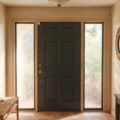

Home Privacy Window Tinting in Valrico: Film Choices and Natural Light
Privacy doesn’t have to mean a darker room. Decorative window film can make glass opaque while still allowing natural light in, making it a distinct option for home privacy window tinting in Valrico. The right choice depends on whether you’re prioritizing privacy, a clearer view, or a balance of both.
Want more privacy without losing the daylight that keeps a room feeling open? This guide compares residential tint options, explains how decorative films affect a space, and covers choosing home privacy window tinting in Valrico, including local considerations for Hillsborough County.
You’ll find practical ways to match a film’s appearance and function to each window, helping you make a considered choice for your home.
Key Takeaways
- Match the film to the room’s priorities: residential tint can reduce glare and heat while adding UV protection.
- Compare ceramic, carbon, and dyed films by their performance and appearance to find a balance that suits your windows.
- Decorative privacy film can make glass opaque while still letting natural light into a room.
- Daytime privacy films rely on lighting conditions, so consider how privacy may change after dark.
- Use local service coverage and customer feedback as part of deciding whether a professional installation fits your project.
Customer reviews and service coverage
Valrico, Florida, has roughly 38,000 residents, so local coverage can matter when arranging a home window project. Reviews help describe a customer’s experience, while service-area details show whether a provider handles homes in the area. Read both with a specific project in mind. A review about a living-room window may offer useful context, but it cannot describe every home or film choice.
Look beyond star ratings. Read written comments for details relevant to your project, such as communication, care around furnishings, installation quality, and the finished appearance of the glass. A review about a bedroom window that explains the privacy options, for example, offers more useful context than a rating alone. Specific details help you assess whether the experience aligns with your priorities.
Reviews can vary in relevance. A recent comment may describe a different film or room from the one you’re considering. Look for recurring, project-specific details rather than treating one positive or negative account as a guarantee. Comments about neat edges, careful handling, or clear explanations give you concrete points to consider. Specific examples matter more than general praise.
Service coverage deserves the same attention. For a Valrico home, clarify whether the work covers the relevant windows and the full installation, rather than assuming every service area includes every project type. A home with a street-facing bedroom and a bright living room, for instance, may need different privacy approaches across its windows. The right service discussion should account for those separate needs.
- Read for project details: Note the room, window purpose, and installation experience described.
- Compare like with like: A comment about a decorative film may not answer questions about another film type.
- Understand the coverage: Identify whether the provider serves your Valrico address and the windows involved.
- Consider the whole experience: Look for clear communication about choices, preparation, and the completed work.
A project’s scope matters as much as its location. The number and placement of windows, access to each pane, and the film’s purpose all shape the work. A review about one easily reached window may not describe a project spanning several rooms. Use feedback as context, then compare it with your home’s layout.
For a careful decision, gather the details that make your project distinct: the Valrico address, rooms involved, privacy concerns, and whether preserving daylight matters. Then assess reviews against those priorities and the stated service coverage. This approach turns customer feedback into practical context without mistaking another homeowner’s experience for a promise about your own project.
Residential window tinting in Valrico, Florida
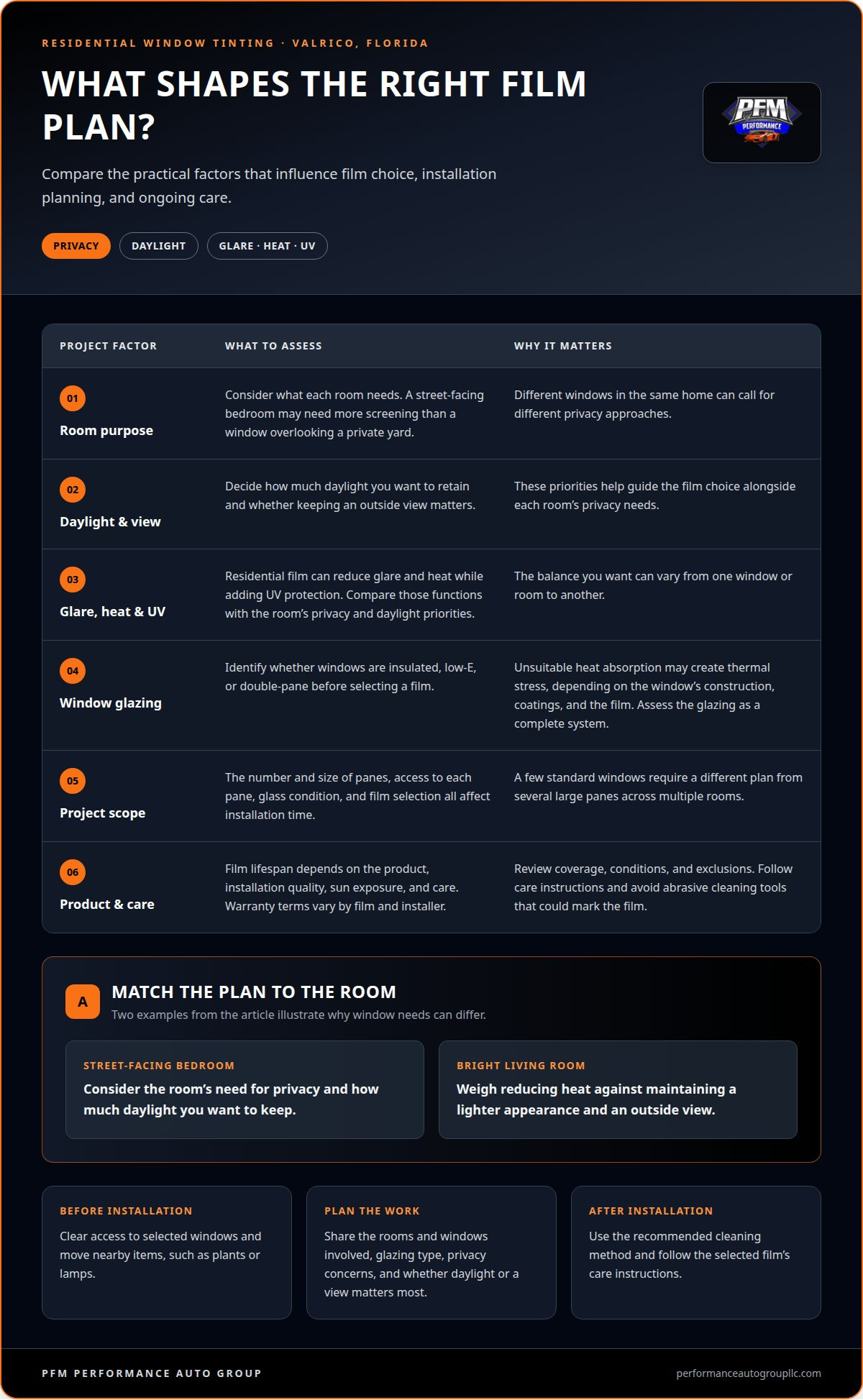
Residential film can reduce glare and heat while adding UV protection. For home privacy window tinting in Valrico, consider each room’s privacy needs and how much daylight you want to retain.
Residential Tinting Services
Residential tinting applies film to home windows to address concerns such as glare, heat, and privacy. A street-facing bedroom may need more screening than a window overlooking a private yard. Consider each pane’s location, the room’s purpose, and your preferred daylight level. These details help guide the film choice and project scope.
Installation Time
Installation time varies with the number and size of panes, access, glass condition, and film selection. Tinting a few standard windows calls for a different plan than covering several large panes across multiple rooms. An installer assesses those factors to estimate the schedule and explain the work. Sharing the rooms and windows involved helps make that discussion specific to your home.
Window Compatibility
Film must be compatible with the window’s glazing. Insulated, low-E, and double-pane windows may be affected by unsuitable heat absorption and thermal stress, depending on their construction, coatings, and the film. Identify the window type before choosing a film. A double-pane unit with low-E glass should be assessed as a complete glazing system, not as a single pane.
Film Lifespan and Warranties
Film lifespan depends on the product, installation quality, sun exposure, and care. Warranty coverage varies by film and installer, so terms should be clear for the selected product and project. Review what the warranty covers, along with its conditions and exclusions. For home privacy window tinting in Valrico, those details help set realistic expectations for ongoing care and coverage.
Before installation, clear access to selected windows and move nearby items, such as plants or lamps. Tell the installer which rooms need more privacy and whether daylight or an outside view matters most. After installation, follow the film’s care instructions and use the recommended cleaning method. Avoid abrasive tools that could mark the surface; a kitchen window, for example, may need more frequent gentle cleaning than a bedroom pane.
For a home-specific plan, book a window tinting appointment and discuss the rooms, glazing, and privacy priorities involved.
Ceramic, carbon, and dyed film comparisons
Yes. Residential window tinting can reduce heat and glare while adding UV protection in Florida. Ceramic, carbon, and dyed films differ in appearance and performance, so weigh those features against each room’s priorities.
Ceramic films are designed to manage infrared heat while maintaining a lighter appearance than some alternatives, but performance varies by product. That distinction may matter in a bright living room where you want to reduce heat without making the glass look too dark. Compare the selected film’s stated specifications rather than assuming all ceramic options perform alike.
Carbon and dyed films are useful comparison points, but a material label alone does not determine the right choice. Consider how the glass will look, how much natural light the room needs, and whether heat or glare is the main concern. A sunny home office, for example, may have different priorities from a bedroom where privacy and appearance matter more.
- Ceramic: Compare its infrared-blocking performance with the desired level of light and visibility.
- Carbon: Assess its appearance alongside the room’s heat and glare priorities.
- Dyed: Consider the visual effect and how it suits the window’s purpose.
In a Valrico home, the same film may not suit every window. A west-facing room used in the afternoon may call for a different balance from a shaded hallway. Compare each film’s appearance from inside and outside as well as its stated performance. Viewing samples in the intended room can make the decision more concrete than comparing labels alone.
Ask PFM Performance Auto Group to explain the specific film options under consideration. Useful details include the manufacturer’s stated infrared, glare, and UV performance, along with the film’s visible appearance. Keep these measures distinct: a darker-looking film does not automatically indicate better heat control. Compare documented performance and appearance in the context of your room and furnishings.
Window construction also matters. The film must suit the glass, including insulated or low-E features, rather than being chosen for appearance alone. PFM Performance Auto Group can assess the glazing and match the film accordingly. For Valrico homeowners, ceramic, carbon, and dyed films are options to compare, not a one-size-fits-all ranking. The right fit addresses the room’s purpose, comfort concerns, and preferred light level.
Decorative privacy films and natural light
Decorative privacy films can obscure views while allowing natural light into a room. Choosing home privacy window tinting in Valrico starts with deciding how much light, visibility, and visual detail each room needs.
Reflective, Frosted, Decorative, and One-Way Films
Reflective film creates a mirror-like finish on the brighter side of the glass. Frosted film diffuses views through a translucent surface, while decorative film adds a pattern or design that can obscure views while admitting daylight. One-way film depends on a difference in brightness between the two sides, so its privacy effect changes with the lighting.
Choose a finish according to the window’s purpose and the view you want to retain. Frosted film can suit a bathroom where clear views are less important, while a subtle decorative pattern may work near an entryway. Consider how the film looks from inside and outside, and whether its design complements the room.
Alternatives to Privacy Tint
Blinds, shades, and exterior screens are alternatives to film. Blinds use adjustable slats, shades cover the glass with a continuous material, and exterior screens sit outside the window. Each affects light and privacy differently. Tilted blinds, for example, can soften a direct view while still admitting some daylight.
Consider how the window is used throughout the day. Bedroom shades can be closed for privacy and opened to welcome morning light, while an exterior screen may suit a window facing a patio. Unlike fixed film, these coverings can be adjusted or moved, changing the view and brightness. That flexibility can be useful in rooms with changing routines.
Daytime and Nighttime Privacy
Reflective privacy film works best when it is brighter outside than inside. At night, indoor lighting can reverse that balance, making a lit room visible from outside. A bright kitchen, for example, may be easier to see into after sunset, even if the glass looked reflective during the afternoon.
For home privacy window tinting in Valrico, consider evening use as well as daytime appearance. Decorative or frosted film obscures views differently from reflective film, while curtains, blinds, or shades can add nighttime coverage. A layered approach may suit a bedroom or bathroom where privacy matters after dark; another room may call for a finish that prioritizes daylight and design.
Privacy, daylight, and glass reinforcement are separate considerations. Safety and security films add a layer that can hold shattered glass together but do not prevent breaking. This reinforcement does not, by itself, specify a film’s opacity, pattern, reflectivity, or effect on the view. Consider desired light and visibility alongside any interest in reinforcement.
Before settling on a finish, decide which goal matters most at that window: obscuring a view, preserving daylight, adding a design, or reinforcing the glass. If several goals matter, compare the relevant properties rather than assuming a decorative film also provides glass reinforcement. This distinction helps align the choice with how the room is used.
How does daytime privacy window tint work, and does it provide privacy at night?
Daytime privacy tint relies on a difference in brightness between the two sides of a window. The brighter side appears more reflective, making it harder to see through from that direction. In a Valrico home, this can screen a street-facing living room during daylight while residents still see outside. The effect depends on changing light, not a permanent one-way barrier.
Consider a front room with sunlight outside and moderate interior lighting. From the street, the glass may reflect more of the outdoor scene; from inside, the view may remain clearer. Cloud cover, shade, and interior lighting affect the balance. A shaded porch or bright interior can reduce the privacy effect, even during the day.
At night, the balance often reverses. When a room is brighter than the dark outdoors, the window may reveal the interior instead of concealing it. A living room with lamps on, for example, may be visible from the sidewalk after sunset. One-way film should not be treated as nighttime privacy protection.
Household routines help identify where this limitation matters most. A bedroom used after dark, a bathroom facing a neighboring home, and a living room used mainly in daylight have different privacy needs. Match the window treatment to each room’s schedule. Nighttime curtains, blinds, or shades can provide coverage when indoor lights make reflective film less effective.
Privacy also depends on the viewer’s position and the room’s surroundings. A window facing a nearby walkway has a different sightline from glass overlooking a fenced backyard. A professional assessment can consider the window’s orientation, neighboring views, landscaping, and typical lighting. These details help determine which panes benefit from daytime film and where an additional covering could help.
Before selecting a film, define the result you want for each window. For a home office, you might prioritize daylight and screening from a street-facing view. For a bedroom, nighttime coverage may matter more than an unobstructed view. Share these priorities during the project discussion so the proposed solution reflects how you use the room, rather than relying on the phrase “one-way” alone.
No single privacy setting remains constant from morning through evening. A bright exterior can support daytime screening, while indoor lights can change the effect after dark. In a Valrico home, consider each window’s exposure, sightline, and use at different times. Pairing film with a suitable window covering can help address changing light conditions.
PFM Performance Auto Group: Home Window Tinting
PFM Performance Auto Group provides Home Window Tinting for homeowners choosing film to address privacy, daylight, or comfort. Privacy Window Tinting is an option when screening views is the priority, while Black Pearl Nano Ceramic Window Tint By Madico is another residential option. The right selection depends on the glass, room, and appearance you want.
Bring your project details into the conversation: which rooms need more privacy, when the windows receive direct light, and whether you want to preserve a clear view. These priorities help shape a practical film discussion for your Valrico home. Contact PFM Performance Auto Group to discuss your windows and preferences.
Choose the next step for your home
Start with the windows that affect everyday comfort most. A street-facing bedroom, bright work area, or glass entryway may each call for a different balance of privacy and daylight. For home privacy window tinting in Valrico, decide which rooms need screening, how much natural light you want to retain, and whether nighttime coverage matters. These priorities provide a useful starting point for discussing installation.
PFM Performance Auto Group offers Home Window Tinting, Commercial Window Tinting, and Auto Window Tinting. Share your priorities so the proposed residential film suits your home and its glass. A considered choice starts with how you use each room, not simply the film’s appearance.
Take the time to identify what matters in each room. Contact PFM Performance Auto Group to discuss your home windows and choose a film approach that supports your privacy and comfort needs.
Frequently Asked Questions
What should Valrico customers know?
Start with the windows and rooms that need attention, then describe how each space is used. A street-facing office, for example, may need a different balance of privacy and visibility from a backyard-facing dining room. Include the glass type, window locations, and preferred appearance in the project discussion. This gives the installer practical context for matching film to your home rather than treating every pane alike.
What types of privacy window film are available for homes in Valrico, Florida?
Residential options include reflective, frosted, decorative, and one-way privacy films, as well as dyed, carbon, and ceramic film categories. The right fit depends on the result you want: a patterned treatment for an entryway, for example, differs from a film selected mainly for performance. Consider the window’s purpose, the room’s appearance, and how privacy needs change throughout the day before choosing a type.
Which local companies install home privacy window film in Valrico and nearby Hillsborough County?
PFM Performance Auto Group provides Home Window Tinting and Privacy Window Tinting for homeowners in Hillsborough County, including Valrico. Share which rooms and windows need attention, along with your privacy and appearance preferences, to start a focused discussion about residential films. Auto Window Tinting is also available for vehicle glass.
Are there Florida or Hillsborough County rules or permits for residential window tinting?
Permit considerations depend on the project’s scope, so distinguish applying film to existing glass from replacing windows or changing an opening. This article doesn’t establish a specific Florida or Hillsborough County permit requirement for residential film. If the work includes construction beyond applying film, ask Hillsborough County’s permitting office for a determination based on that scope before work begins.