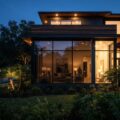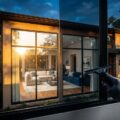

Residential tinting services in Carrollwood for home privacy
DIY window film may seem like the quickest fix, but a clean, lasting result depends on choosing the right film and applying it carefully. Residential tinting services in Carrollwood can help homeowners add privacy while reducing sunlight, heat, glare, and UV exposure. Choosing between DIY and professional installation depends on your windows, your goals, and the finish you want.
It’s reasonable to compare a home project with professional installation before deciding. This guide explains what window film can and can’t do, how film options affect privacy and light, what influences project costs, and what to consider when planning an installation.
You’ll also learn how to weigh the hands-on work of DIY against the precision of professional installation, so you can make a practical choice for your home.
Key Takeaways
- When comparing installers, follow HomeGuide’s advice to request at least three free estimates and compare what each proposal includes.
- Choose a film based on the privacy you want and how much natural light you’d like to keep; darker options can make a room feel different throughout the day.
- Window film can reduce sunlight, heat, glare, and UV exposure, but the results depend on the film’s properties and the windows it covers.
- DIY may suit a small, straightforward project, while professional installation can help achieve a precise finish across multiple or challenging windows.
- Compare tint options by balancing privacy, appearance, glare control, and light transmission rather than choosing by darkness alone.
How do I hire a residential window tinting company?
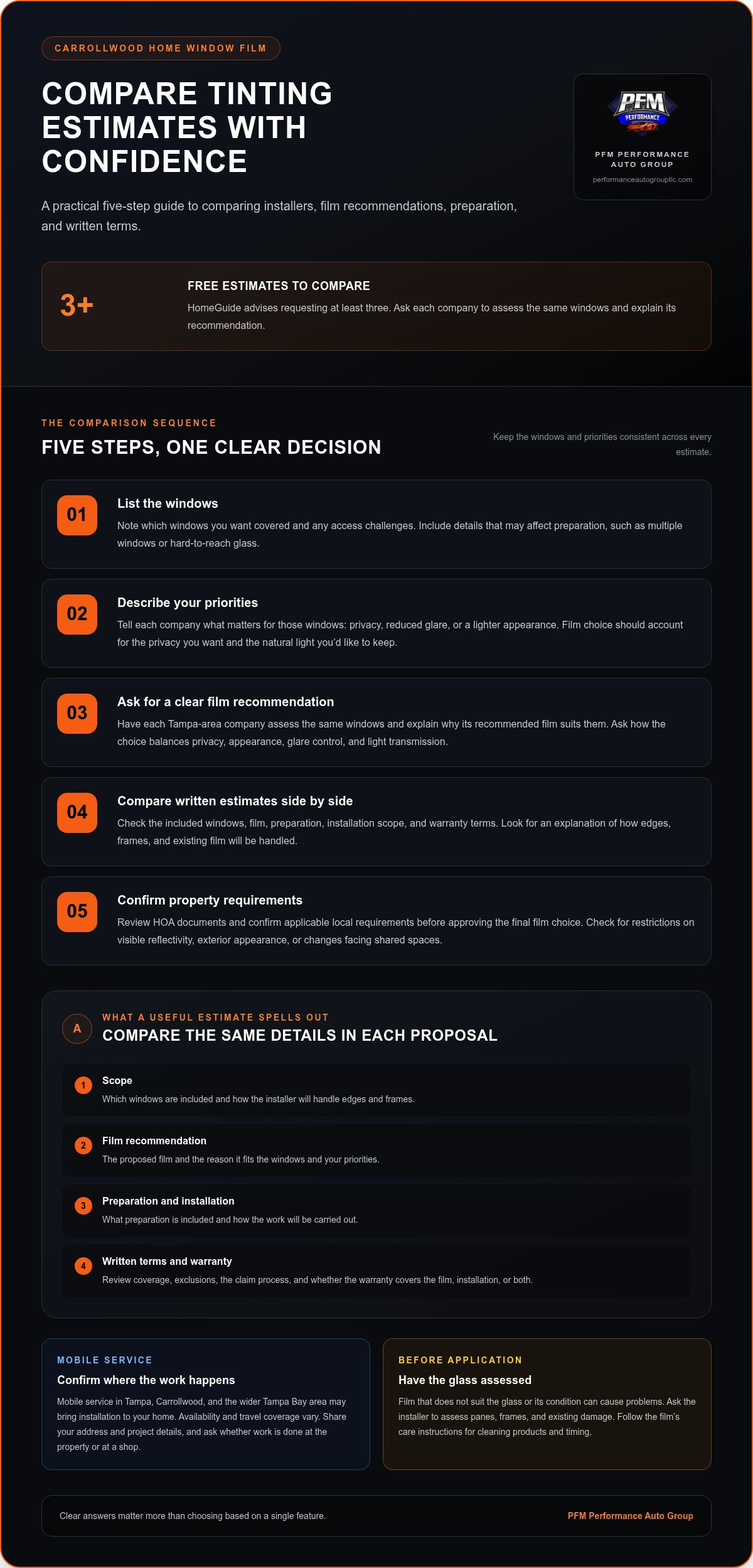
For a Carrollwood home, compare the installation method, film recommendation, written terms, and preparation process. HomeGuide advises getting at least three free estimates before choosing a residential window tinting contractor.
Mobile Service Availability
Mobile tint service in Tampa, Carrollwood, and the wider Tampa Bay area can bring installation to your home. Availability and travel coverage vary, so describe your address and window project when requesting an estimate. Ask whether the installer works at the property or expects you to bring anything to a shop. A multi-window project, for example, may require more preparation space than a single accessible window.
Comparing Tampa-Area Companies
Compare Tampa-area companies by asking each to assess the same windows and explain its film recommendation. Request at least three free estimates, as HomeGuide advises, then compare the proposed film, preparation, installation scope, and written terms. A useful estimate identifies the windows included and explains how the installer will handle edges, frames, and existing film. Look for clear, specific answers rather than choosing based on a single feature.
Permits, HOA Approval, and Local Rules
Whether permits or HOA approval apply in Carrollwood depends on the property and project requirements. Review your HOA covenants for rules about window appearance, then confirm applicable local requirements before scheduling installation. Ask about restrictions on visible reflectivity, exterior appearance, or changes facing shared spaces. Keep any written approval with the estimate so the agreed film choice matches the property’s requirements.
What warranties do residential window tinting companies in Carrollwood offer? Warranty terms vary by company and film. Before approving work, read the written warranty to understand its coverage, exclusions, claim process, and whether it covers the film, installation, or both. Keep the estimate and warranty together.
Can window tint damage residential windows, and what risks or maintenance should homeowners know about? Choosing film that doesn’t suit the glass or its condition can cause problems. Have the installer assess the panes, frames, and existing damage before application. After installation, follow the film’s care instructions, including guidance on cleaning products and timing.
Use these steps to make each estimate easier to compare:
- List the windows you want covered and note any access challenges.
- Describe your priorities, such as privacy, reduced glare, or a lighter appearance.
- Ask each Tampa-area company to explain its recommendation for those windows.
- Compare three or more written estimates for scope, film, preparation, and warranty terms.
- Review HOA documents and applicable local requirements before approving the final film choice.
Privacy from residential window film
Residential window film can soften views into living spaces while preserving daylight. The right choice depends on your sightlines, lighting, and preferred appearance.
Privacy and Decorative Film Choices
Privacy film changes how clearly people can see through a window, while decorative film can add patterned coverage. For example, frosted film can obscure a bathroom window without making the glass fully opaque. Consider which rooms need screening, whether a window faces a street or neighbor, and how much of the view you want to retain. Match the film’s coverage to each window’s purpose.
Film isn’t a substitute for every privacy measure. At night, interior lights can make rooms visible through reflective films, so curtains or blinds remain useful. A front-facing living room may need a different treatment from a bathroom or a window beside a neighboring home. Check the view from outside in both daylight and evening lighting before settling on a finish.
Tint Darkness and Privacy
A 10% to 30% tint is recommended for privacy and security, allowing only a small fraction of light inside. Darker film can make a room feel more secluded, but it also changes the daylight entering the space. Compare samples against the actual glass, then view them from inside and outside. Check how the film looks beside flooring, wall colors, and existing window coverings.
Consider the view you want to preserve, too. A window overlooking a garden may benefit from a lighter treatment than glass facing a busy sidewalk. Choose by room and sightline rather than applying the same darkness throughout the home. Privacy window film should address a specific line of sight while keeping the room comfortable for everyday use.
Installation Process and Timing
Professional home window film installation takes 10 to 20 minutes per window. The installer cleans the glass, measures and cuts the film, wets the surface, positions the material, then smooths out trapped solution. The time for a whole project depends on the number, size, and accessibility of the windows.
Before installation, move objects away from sills and clear access to each pane. Point out existing scratches, damaged seals, or hard-to-reach glass so the installer can account for those conditions. After application, follow the film’s care instructions. Cleaning too soon or using unsuitable tools can interfere with a neat finish.
For a practical choice, list each room’s privacy concern and desired light level. Then compare film appearance on the specific windows, including street-facing glass and nighttime views. A targeted plan avoids treating every room alike. If you’re ready to discuss a home privacy film project, book a window film appointment.
Potential sunlight, heat, glare, and UV reduction
Window film can change how sunlight affects a room, including its brightness, glare, heat, and UV exposure. Compare the film’s stated performance with each room’s needs, such as those of a bright living room or sunlit home office.
Sunlight and indoor comfort
Home window tinting can reduce the amount of sunlight entering a room. That change can help in a room where direct sun makes screens difficult to view or creates harsh brightness across a seating area. Consider how much daylight you want to retain before selecting film. A darker option may cut more incoming light, while a lighter choice can preserve a brighter appearance.
Home window tinting may help limit heat entering a room. The result depends on the film and the windows where it is installed, so assess each room rather than treating every pane alike. For example, compare a sunny living room with a shaded hallway. Identifying the windows that cause the most discomfort helps focus the film choice on the areas that matter.
UV exposure and light balance
Home window tinting reduces UV rays by up to 99%. For homeowners balancing UV reduction with daylight, a 35% to 50% tint is recommended to block UV rays while allowing a moderate amount of light inside. Use that range as a starting point when comparing options, then consider the room’s natural brightness and how much view you want to preserve.
Prioritize rooms where sunlight reaches furniture, flooring, or artwork for long periods. Film can reduce UV exposure through treated glass, while curtains or blinds offer additional control when direct sun enters. Compare a sample with the actual window. A film that looks subtle in one room may feel darker in a brighter space.
Glare control
Home window tinting reduces glare by 90% to 100%. That can be relevant for a television facing a bright window, a desk with a sunlit screen, or a dining area with reflections across the table. Identify when glare disrupts the room, such as morning work hours or afternoon television viewing. The time and location help determine which windows need attention.
Balance glare reduction with daylight and outside visibility. A film that dims a troublesome reflection also changes the light coming through that pane. Compare options in the room where they’ll be installed, and look through the glass from both sides. For a home office, check the view toward your screen; for a living room, consider how much daylight you need for reading.
Before choosing, list the main concern for each room: sunlight, heat, glare, or UV exposure. Then match the film’s stated performance to those priorities, using the 35% to 50% recommendation as a reference for moderate light and UV reduction. This room-by-room approach helps avoid selecting one tint solely for its darkness or appearance.
DIY versus professional installation
DIY window film can work for a simple, accessible pane, while professional installation offers practiced handling for complex windows. The decision depends on your project’s size, glass shape, working conditions, and tolerance for visible imperfections.
For a straightforward DIY project, start by measuring the glass and selecting film that matches its dimensions and purpose. Clean the pane carefully, because dust or lint trapped beneath the film can remain visible. Cut the material precisely, apply it to the prepared glass, then smooth it from the center toward the edges. A small bathroom window is easier to manage than a wide, high living-room pane.
DIY gives you control over timing and lets you work at your own pace. It also leaves every step, including measuring, trimming, and removing bubbles, in your hands. Uneven cuts can leave gaps at the edges, while rushed smoothing can create creases. A first attempt on a prominent street-facing window may be less forgiving than practicing on less visible glass.
Professional installation can be useful for large panes, multiple windows, or hard-to-reach glass. An installer measures each window, prepares the surface, trims film to fit, and applies it with suitable tools. For example, a broad window beside a stairwell may require more careful access and handling than a small ground-level pane.
Compare the two approaches by considering the work involved, not just the film. DIY requires close attention to clean glass, accurate measurements, straight cuts, and smooth application. Professional work leaves those technical steps to an installer, which can be valuable when several rooms need consistent coverage. Review window shapes and locations before deciding: a simple rectangle and an arched pane require different levels of precision.
Choose DIY if you’re comfortable working slowly and correcting small application issues yourself. Choose professional installation if the windows are oversized, high, unusually shaped, or important to your home’s appearance. Either way, prepare the room by moving furniture away from the glass and clearing each sill. This creates a clean working area and makes access easier for you or the installer.
Before starting, inspect the glass for existing scratches, chips, or damaged seals, and make a note of them. Read the film’s instructions for surface preparation and post-application care. Don’t rush to finish a whole room at once. Work on one pane, assess the result, then continue. This practical test can show whether DIY precision suits the remaining windows.
How do window tint options compare for energy savings, glare reduction, privacy, and appearance?
Compare films by what each room needs, not darkness alone. For a sunlit office, glare control may matter most; a street-facing bedroom may need more privacy.
For energy considerations, film limits some solar heat entering through glass. Home window tinting can reduce heat by up to 10 to 20 degrees. The effect on comfort and cooling demand relates to which windows receive direct sun and how the room is used. A west-facing room that heats up in afternoon sun has different priorities from a shaded hallway. Identify those hot spots before comparing films.
Glare performance matters in rooms with screens or reflective surfaces. Home window tinting reduces glare by 90% to 100%. A television opposite a bright window, for example, may benefit from glare reduction, while a reading area may need more daylight. Consider the window’s direction, the time glare occurs, and whether the view outside should remain clear. These details help you balance glare control with brightness.
Privacy options also affect how much light enters. A 10% to 30% tint is recommended for privacy and security, allowing only a small fraction of light inside. A 35% to 50% tint is recommended to block UV rays while allowing a moderate amount of light inside. Compare these ranges with each room’s use. A bathroom may call for stronger screening, while a living room may need a brighter, more open feel.
Appearance matters, too. A darker film changes the window’s look and the room’s daylight; a decorative finish can obscure a particular view while adding a visible pattern. Before choosing a film, consider both sides of the glass. Check how it looks from the street and from the room, in daylight and with interior lights on after dark.
- Energy: Prioritize windows that receive direct sun and make rooms uncomfortable.
- Glare: Identify screens or surfaces affected by reflections.
- Privacy: Match tint darkness to sightlines and desired daylight.
- Appearance: Compare the finish from indoors and outdoors.
Use this room-by-room comparison to narrow the options, then weigh sunlight control against privacy, brightness, and appearance. A film that suits one window may not be right for every room.
PFM Performance Auto Group: Auto Window Tinting
PFM Performance Auto Group offers window tinting for homes and commercial properties, making it a relevant next step when you’re ready to move from comparing films to planning installation. For a residence, Home Window Tinting can address priorities such as privacy, sunlight, and glare with a project suited to your windows. Commercial Window Tinting serves a different setting, such as an office seeking more comfortable indoor spaces.
Bring your room-by-room priorities to the discussion: which windows need privacy, where sunlight causes discomfort, and how much natural light you want to retain. This gives the project a practical starting point without assuming the same film suits every pane. If you’re also considering tint for a vehicle, Auto Window Tinting is a separate service.
Contact PFM Performance Auto Group to discuss Home Window Tinting for your property.
Make the Next Step Feel Clear
A more private, comfortable home starts with a choice shaped around how you use each room. Before moving forward, identify the windows that matter most and the balance you want between seclusion, daylight, and appearance. This gives your project a clear purpose rather than treating every pane the same.
For homeowners exploring residential tinting services in Carrollwood, PFM Performance Auto Group offers Home Window Tinting. Its services also include Commercial Window Tinting and Auto Window Tinting, addressing distinct needs at home, work, or on the road. The next step is a conversation focused on your property and priorities, rather than a one-size-fits-all choice.
Share your goals for the space and take the next step at your own pace.
Your home deserves a considered choice. Start with the windows that matter most, then build from there.
Frequently Asked Questions
Do you tint homes and businesses?
Yes, PFM Performance Auto Group offers Home Window Tinting and Commercial Window Tinting. In Hillsborough County, residential film can suit a room that needs added privacy, while commercial film can address windows in an office or other workplace. The property type and each window’s purpose help shape the project. Auto Window Tinting is also available, but it is designed for vehicle glass, not home or business windows.
How dark should I tint my home windows?
Choose tint darkness according to the room’s privacy needs and desired daylight. A 10% to 30% tint is recommended for privacy and security, while a 35% to 50% tint is recommended to block UV rays while allowing moderate light inside. In a Carrollwood home, compare how each option looks in the specific room, including after dark, before settling on a consistent appearance across neighboring windows.
How long do tinted windows last?
Residential window film can last 5 to 30 years, depending on window location and film quality. A sunny, exposed pane and a shaded window experience different conditions, so lifespan can vary across a home. Film care matters, too: follow the installation and cleaning instructions for the chosen material. For a Hillsborough County property, consider both window exposure and film quality when comparing options for long-term use.
How much does home window tinting cost?
The cost depends on the home and is provided after a quote request. Factors include the number and size of windows, their accessibility, the film selected, and any preparation or removal work. A project covering a few standard panes, for example, differs from one involving large or hard-to-reach glass. A written estimate for a Hillsborough County home helps clarify the project scope before work begins.
What residential window tinting services are available in Carrollwood, Florida?
For homeowners seeking residential tinting services in Carrollwood, PFM Performance Auto Group offers Home Window Tinting and Privacy Window Tinting. Choose film according to whether a room needs more privacy, reduced glare, or less incoming sunlight. A project can focus on selected rooms rather than every window. Describe the spaces and how you use them, such as a street-facing bedroom or a bright home office.
Which Carrollwood companies install residential window film, and what are their reviews?
PFM Performance Auto Group offers Home Window Tinting for homeowners in Hillsborough County. Its homepage references 219 customer reviews. When assessing reviews, look for comments describing residential work, the installation experience, and specific project details rather than relying on a rating alone. Compare written project scopes, film recommendations, and warranty information so reviews are considered alongside the details of the proposed work.
How much does residential window tinting cost in Carrollwood?
If you’re comparing residential tinting services in Carrollwood, project pricing depends on the windows and film selected and is provided after a quote request. Window dimensions, the number of panes, access, and any existing film removal can affect the estimate. Identify the rooms and windows involved, especially unusually shaped or elevated panes, so the estimate reflects the actual scope for your Hillsborough County home.
What types of residential window film are available, such as solar, privacy, and decorative film?
Residential film options include solar-control, privacy, and decorative films. Solar-control film is chosen to manage sunlight and heat; privacy film obscures views, while decorative film can add patterns or a frosted appearance. PFM Performance Auto Group offers Home Window Tinting and Privacy Window Tinting. For a Carrollwood home, choose based on each window’s function, the desired appearance, and how much daylight you want indoors.